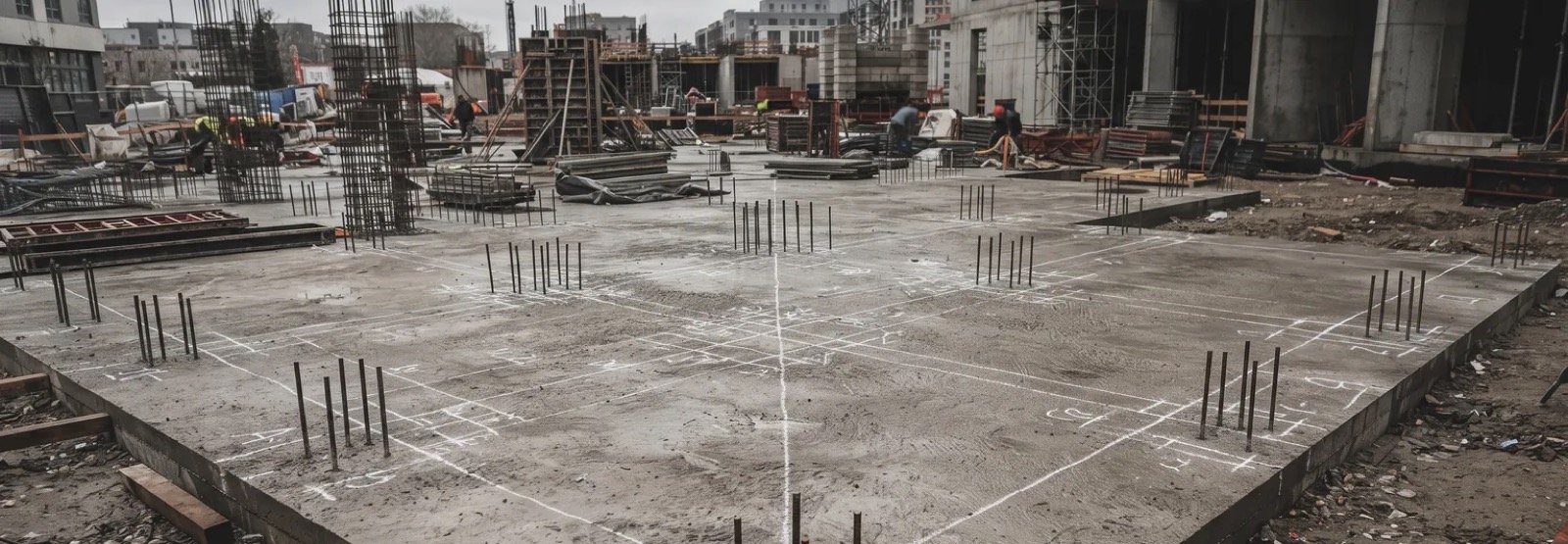
When we look at iconic skylines across global architectural hubs like Singapore, Dubai, or Abu Dhabi, we naturally marvel at the glass, steel, and concrete structures. However, a building is much more than just its outer structural shell. Without its internal nervous system, respiratory network, and circulatory tracts, a multi-million dollar high-rise would be completely unlivable and non-functional.
In the Architecture, Engineering, and Construction (AEC) industry, this vital internal life-support system is universally known as MEP.
For project owners, asset developers, and Virtual Design and Construction (VDC) leads, mastering MEP is the single most critical factor in controlling project budgets and avoiding catastrophic delivery delays. Here is a deep dive into what MEP stands for, why traditional installation workflows fail on-site, and how advanced spatial computing is redefining the sector.
Breaking Down the Acronym: What Does MEP Include?
MEP is an umbrella term encompassing three distinct, deeply intertwined engineering disciplines that must be seamlessly integrated into every modern construction project:
1. Mechanical (The Building’s Respiratory System)
The mechanical component primarily deals with the HVAC (Heating, Ventilation, and Air Conditioning) systems. In tropical regions like Singapore or extreme climates like the UAE, mechanical systems are highly complex. They dictate how air is filtered, cooled, distributed, and exhausted. This involves routing massive sheet-metal air ducts, heavy-duty chillers, cooling towers, and complex air handling units (AHUs) through tight building plenums.
2. Electrical (The Building’s Nervous System)
The electrical grid powers the entire asset. This discipline covers everything from main high-voltage substations, transformer rooms, and switchgears down to lighting paths, backup generators, IT data centre cabling, security alarms, and access control infrastructure. It requires laying thousands of meters of rigid cable trays, heavy busbars, and complex conduit networks that must run uninterrupted throughout the structure.
3. Plumbing (The Building’s Circulatory System)
Plumbing handles the movement of fluids. It covers fresh potable water supply systems, rainwater drainage networks, complex wastewater and sewage piping, and critical fire protection networks (such as wet risers and overhead automated sprinkler lines). Plumbing relies heavily on gravity and precise slope angles, meaning pipes have very rigid installation paths compared to flexible electrical wires.
The Ultimate Construction Bottleneck: The Coordination Challenge
Individually, design engineers can draft perfect 3D structural models or MEP layouts inside an office using software like Autodesk Revit. The real crisis occurs when all three of these highly complex networks try to occupy the exact same physical space simultaneously on the construction site.
A classic on-site clash happens when a mechanical contractor attempts to hang a massive 600mm HVAC duct precisely where an electrical contractor has already installed a primary cable tray bracket, which happens to run straight through a main plumbing drainage route.
Traditionally, when these physical clashes are discovered on-site, work grinds to an immediate halt. Engineers must flag the error, submit a formal Request for Information (RFI), and send the data back to an office coordinator.
This archaic feedback loop takes an average of 21 working days to redesign and approve. During this delay, labour sits idle, material is scrapped, and project timelines slip. Statistically, unmanaged spatial conflicts and construction reworks account for up to 10% of a project's total budget.
Shifting from Office Coordination to Real-Time Site Verification
To protect their bottom-line profit margins, modern AEC firms are turning to mobile spatial computing tools to bring coordinated 3D BIM data directly out of the office and onto the raw concrete slab.
Instead of site supervisors holding flat 2D paper blueprints up to a blank concrete ceiling and guessing alignment, teams can deploy mobile Augmented Reality (AR) scanning solutions like DeltaARBIM.
By utilizing advanced, edge-to-edge mobile AR tracking on an iPad Pro, field engineers can overlay the fully coordinated 3D mechanical, electrical, and plumbing blueprints directly onto the live physical structure.
-
Millimeter-Level Scanning: Site teams can run automated edge-checking routines to verify built tolerances down to $\pm$2cm before sub-contractors drill or pour concrete.
-
Instant Clash Detection: Instantly spot if an installed concrete beam or utility line deviates from the master plan, compressing the traditional 21-day office coordination delay into a quick 15-minute walk on the slab.
-
Protecting Embedded Infrastructure: Supervisors can look "through walls and slabs" to visualize pre-existing embedded conduits, preventing dangerous core-drilling mistakes that hit structural steel or high-voltage lines.
Conclusion: Digital Twin Integrity for Smart Facilities
As smart buildings and global city standards evolve, the definition of a successful project handover has changed. Building owners no longer accept outdated, manually marked-up "as-built" paper drawings at completion.
Instead, they demand a certified, field-verified LOD 500 (Level of Development) Digital Twin—an exact digital replica of the physical MEP systems that facility managers can use to run automated operations, track maintenance schedules, and control energy use for decades to years to come.
Understanding MEP is no longer just about knowing how pipes, ducts, and wires connect. It is about understanding how to orchestrate these complex spatial networks in real time. By unifying digital office intelligence with raw physical execution via mobile AR verification, forward-thinking contractors are eliminating the cost of errors, protecting their margins, and building the future at maximum velocity.
Ready to Experience Millimetre-Level Precision on Your Site?
Don’t let manual measuring tapes and traditional 21-day coordination loops drain your project’s profit margins. Give your AEC team the ultimate technological edge and deliver your next build with complete spatial certainty.
Get Started with DeltaARBIM Today:
-
🌐 Explore Our Features: Visit our Demo Hub
-
📺 Watch the Tech in Action: View Live Site Scanning Video
Related reading. Where MEP coordination breaks down on site: The Ceiling Is Where Coordination Goes to Die. And how MEP sits alongside architecture and structure: The Pillars of BIM.